Before you begin
- A proposed product list and quantity plan
- Physical color and finish references
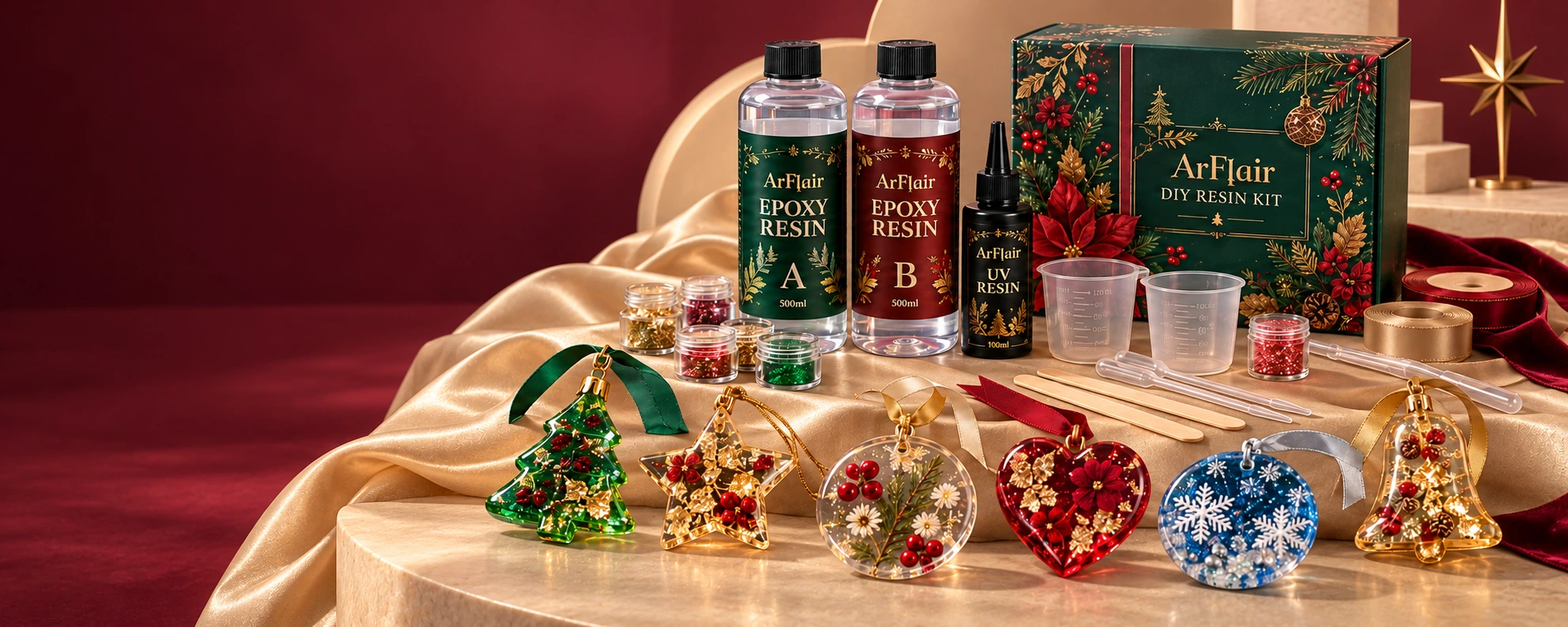
- Packaging artwork and kit contents
- A written list of open questions
Review the range together
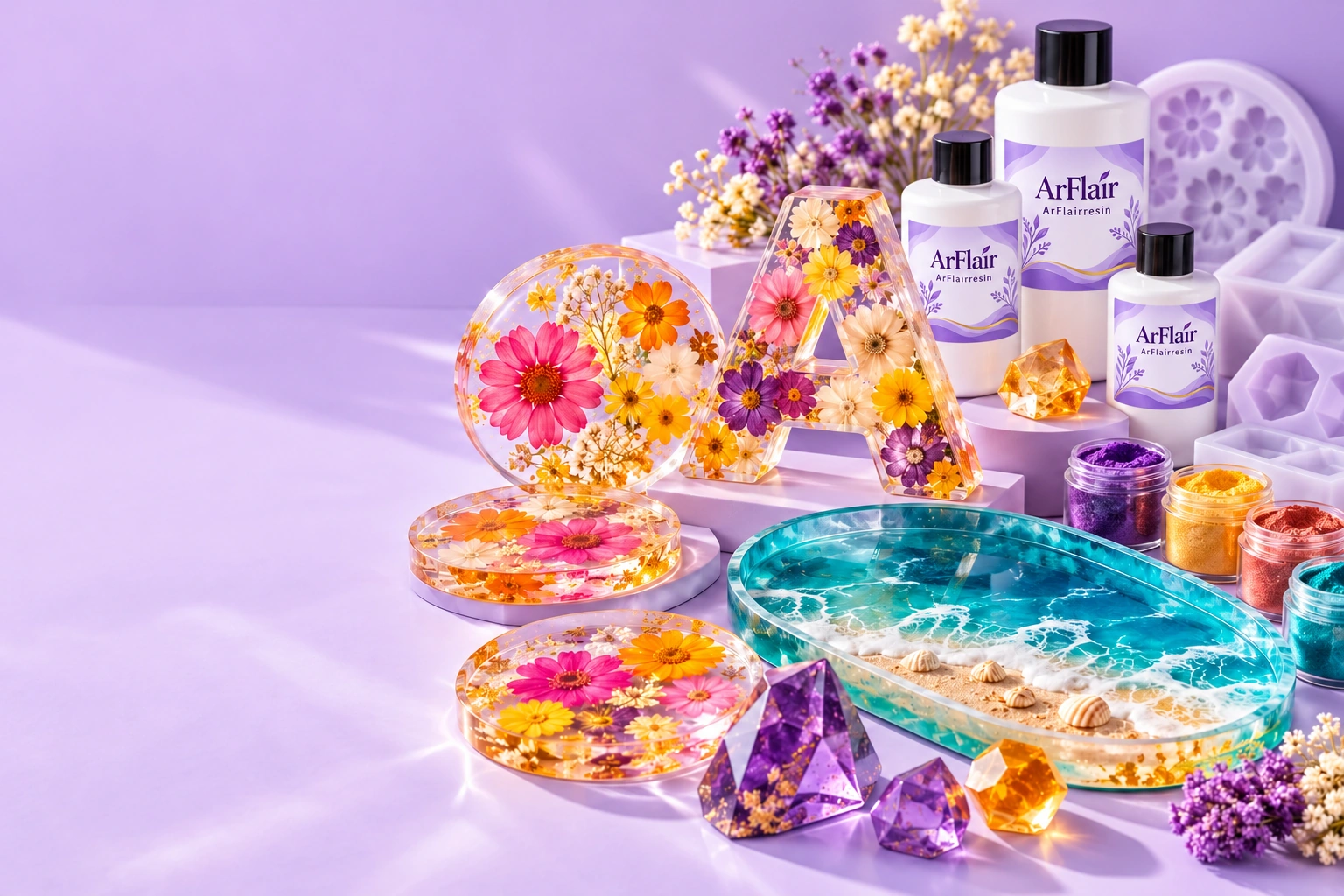
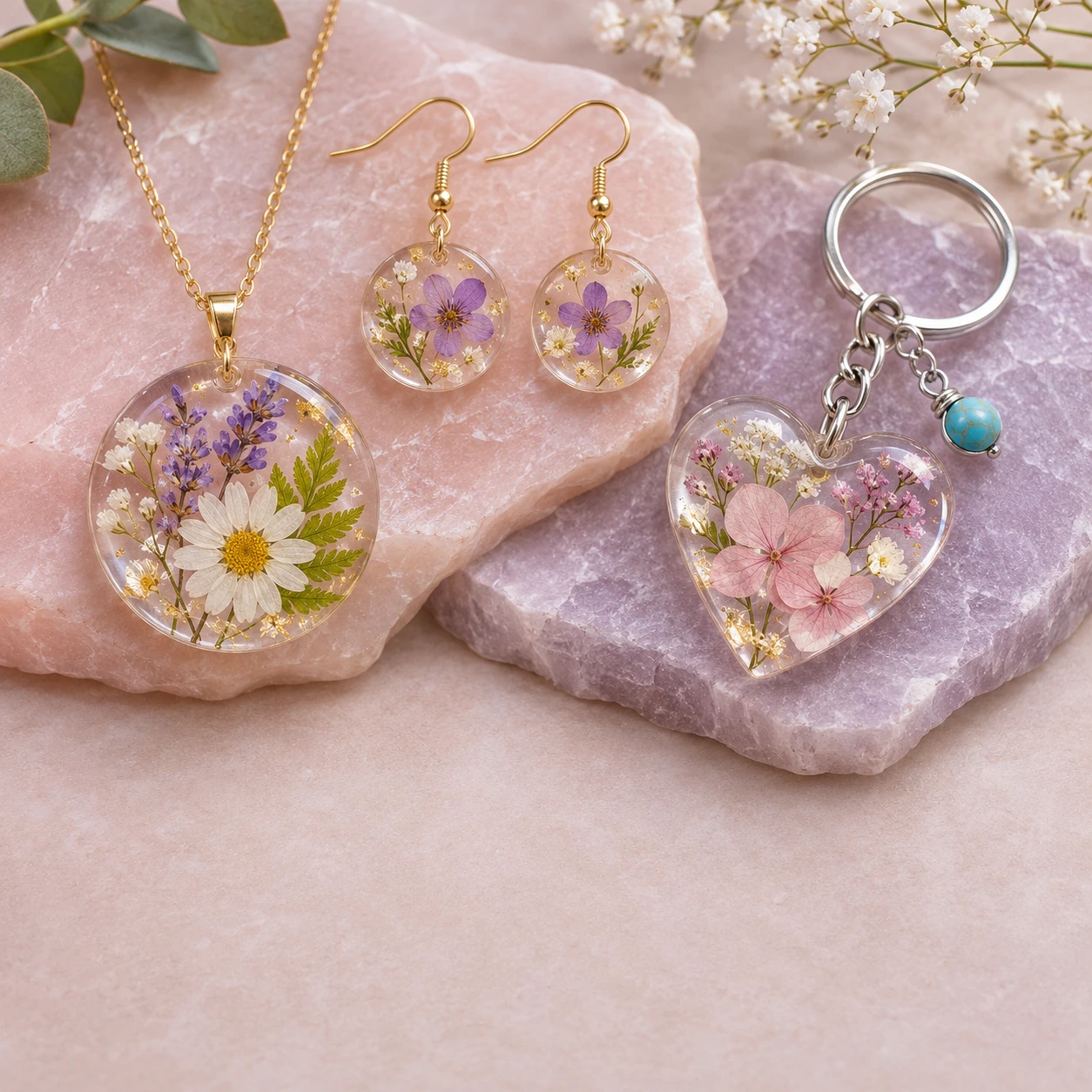
Lay out the whole collection, including bottles, accessories and finished display samples. Check that the colors, names and pack sizes tell a clear story. Remove items that complicate the range without improving the customer project.
Check the practical details
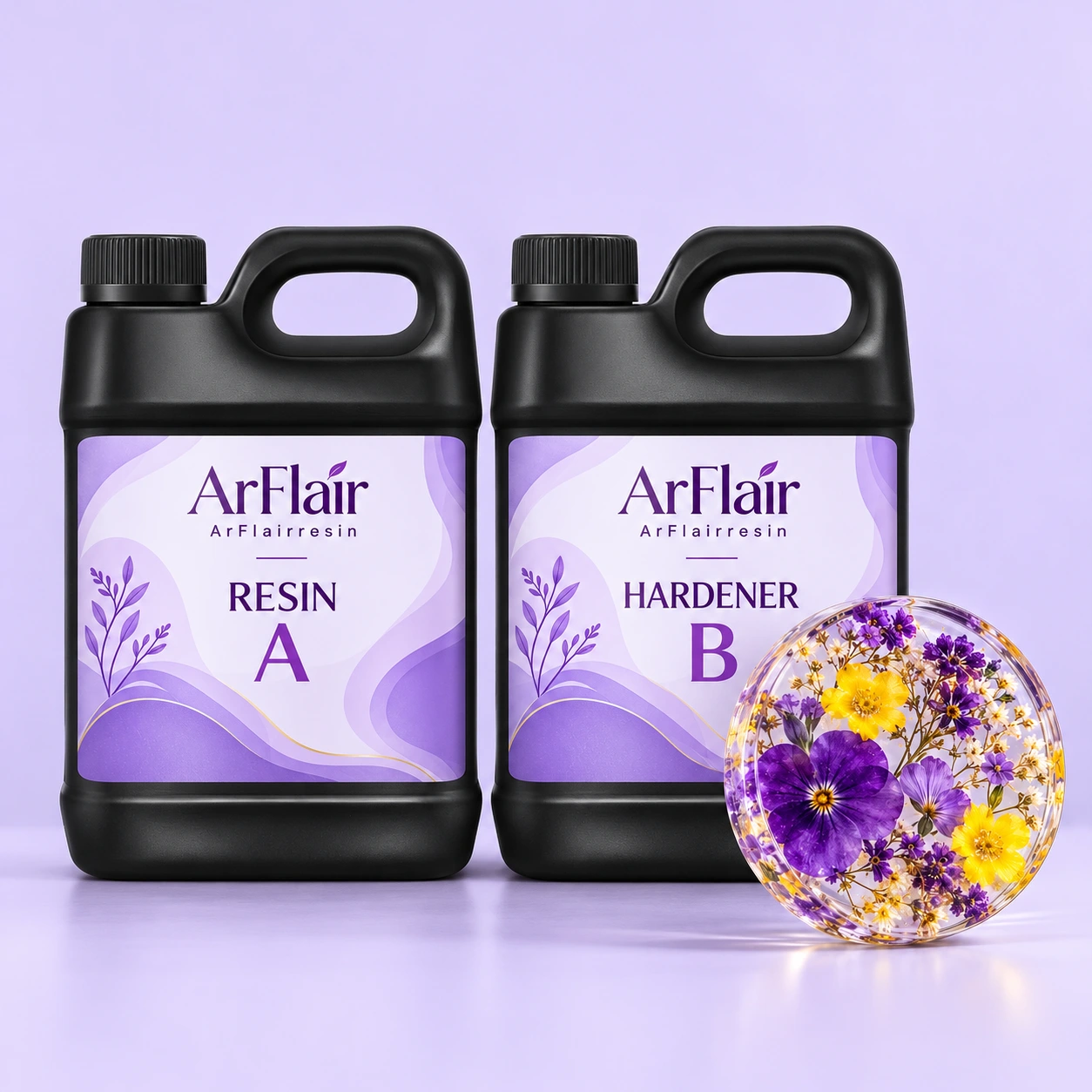
Compare the contents against the bill of materials. Confirm closures, internal separation and how loose items are packed. Review instructions and labels for the exact material supplied, including the required safety information.
Connect the sample to the order
Record the approved version, artwork references and specifications. Ask the supplier to confirm minimum quantities, production timing, shipping assumptions and quotation validity. A photograph of a sample does not replace those written details.
Keep a record of the decision
Store the approved sample reference and a short list of any remaining changes. Assign an owner to each question before the purchase decision. Clear sign-off helps the collection stay consistent when it moves from a creative idea into an order.
TAKE THIS WITH YOU
One documented approval reference keeps the product, artwork and commercial discussion aligned.
For material processing, use the current TDS and SDS for the exact product you select. Mixing ratios, cure conditions and suitable applications vary by formulation.